

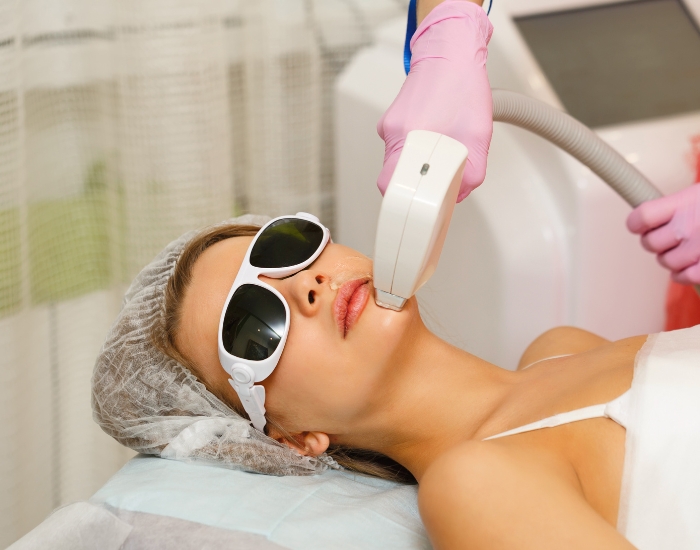
Pigmented and vascular skin lesions are common concerns that can affect both appearance and confidence. These lesions include dark spots, birthmarks, age spots, freckles, cherry angiomas, and other discolorations caused by melanin or blood vessels. While some lesions are harmless, many people seek professional treatment for cosmetic reasons or to prevent further skin changes. Laser treatments provide a precise and effective way to address these concerns.
This blog explores how laser treatments work for pigmented and vascular lesions, the benefits, different techniques, aftercare, and what to expect during the process.
Table of Contents
- Understanding Pigmented and Vascular Lesions
- How Laser Treatments Work
- Types of Lasers Used for Lesion Removal
- Benefits of Laser Treatment for Skin Lesions
- Frequency and Aftercare
- Safety Considerations
- Final Thoughts
1. Understanding Pigmented and Vascular Lesions
Pigmented lesions appear as dark spots or patches on the skin due to excess melanin. Common types include freckles, age spots, lentigines, and certain birthmarks. Vascular lesions, on the other hand, result from visible blood vessels in the skin and may appear red, purple, or blue. These include cherry angiomas, port-wine stains, and spider veins. Several factors can contribute to these lesions, including sun exposure, aging, genetics, hormonal changes, and skin trauma. While they are usually harmless, many people seek treatment for cosmetic reasons or to prevent lesions from darkening or spreading.
2. How Laser Treatments Work
Laser treatments work by targeting the specific chromophore—or pigment—within the lesion. For pigmented lesions, the laser targets melanin, while for vascular lesions, it targets hemoglobin in the blood vessels. The laser emits a specific wavelength of light, which is absorbed by the target cells. This energy breaks down the pigment or damages the blood vessel without affecting surrounding tissue. The body then naturally removes the fragmented pigment or absorbed vessels over time, resulting in a clearer, more even skin appearance. Laser treatments are precise, minimally invasive, and usually require little downtime compared to surgical procedures.
3. Types of Lasers Used for Lesion Removal
Several types of lasers are commonly used depending on the lesion type and skin tone:
- Q-Switched Lasers: Effective for pigmented lesions like freckles, age spots, and certain birthmarks. They deliver short bursts of high energy to break down melanin.
- Pulsed Dye Lasers (PDL): Target vascular lesions by emitting light absorbed by blood vessels, helping reduce redness and visible veins.
- Nd:YAG Lasers: Can treat both pigmented and vascular lesions and are safe for deeper skin tones.
- Fractional Lasers: Useful for lesions with uneven texture and can also stimulate collagen for skin rejuvenation.
The choice of laser depends on the lesion type, size, location, and your skin type. A professional assessment ensures the safest and most effective treatment plan.
4. Benefits of Laser Treatment for Skin Lesions
Laser treatment for pigmented and vascular lesions offers several advantages:
- Precision: Lasers target only the affected cells, leaving surrounding skin unharmed.
- Minimal Downtime: Most patients can resume normal activities shortly after treatment.
- Reduced Risk of Scarring: Compared to surgical options, lasers lower the chance of scars or permanent marks.
- Quick Recovery: Skin usually heals faster than with other invasive procedures.
- Improved Skin Appearance: Treatment can significantly reduce dark spots, redness, and visible veins, leading to smoother and more even skin.
- Long-Lasting Results: Proper care and sun protection help maintain results over time.
5. Frequency and Aftercare
The number of laser sessions needed depends on the type, size, and depth of the lesion. Pigmented lesions usually require one to three sessions, while vascular lesions or larger birthmarks may need more. Sessions are typically spaced three to six weeks apart to allow the skin time to heal.
Aftercare plays a key role in maintaining results and preventing complications. Daily use of a broad-spectrum sunscreen is essential to protect treated areas from sun damage and prevent new pigmentation or darkening. It is also important to follow a gentle skincare routine, avoiding harsh scrubs or strong chemical products immediately after treatment. Keeping the skin well-hydrated supports healing and reduces irritation. Any topical creams or treatments recommended by your dermatologist or esthetician should be applied as directed. Consistent aftercare helps the skin heal faster, lowers the risk of side effects, and prolongs the benefits of the laser treatment.
6. Safety Considerations
Laser treatments are generally safe when performed by trained professionals, but certain precautions should be considered. People with active skin infections or certain skin conditions may need to delay treatment. Those prone to keloid scarring should discuss the risks with their dermatologist beforehand. Proper eye protection is required during the procedure to prevent injury. Mild side effects such as temporary redness, swelling, or slight discomfort are common but usually resolve within a few days. A qualified dermatologist or esthetician will evaluate your skin type, lesion type, and medical history to ensure the procedure is safe and tailored to your needs.
7. Final Thoughts
Laser treatment offers a precise, effective, and minimally invasive way to address pigmented and vascular skin lesions. By targeting the pigment or blood vessels directly, it improves skin clarity and evens out tone without harming surrounding tissue. When combined with proper aftercare and sun protection, the results can be long-lasting, helping you achieve smoother, clearer skin. Whether the goal is cosmetic improvement or treatment of persistent lesions, laser therapy can be a safe and reliable option for a wide range of patients.
For safe and effective pigmented lesion removal with laser, Luminous MediSpa provides personalized treatments tailored to your skin type and concerns. Book a consultation today and take the first step toward clearer, healthier skin.
Disclaimer: This blog is for informational purposes only. It is not a substitute for professional medical advice. Always consult a licensed dermatologist or skincare professional for concerns about pigmented or vascular lesions.