

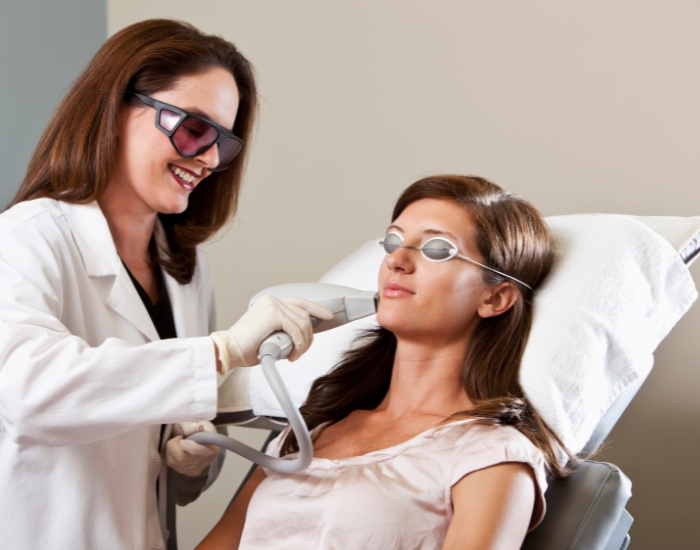
For many people, unwanted hair can be a frustrating and time-consuming concern. Shaving, waxing, and depilatory creams can irritate sensitive skin, leaving redness, bumps, or even ingrown hairs. Laser hair removal has emerged as a popular alternative, offering long-lasting results without the constant upkeep. But for individuals with sensitive skin, the question often arises: Is laser hair removal safe for sensitive skin?
In this blog, we’ll explore how laser hair removal works, why sensitive skin requires special attention, the benefits, risks, and tips to ensure a safe and effective treatment experience.
Table of Contents
- Understanding Sensitive Skin
- How Laser Hair Removal Works
- Is Laser Hair Removal Safe for Sensitive Skin?
- Benefits of Laser Hair Removal for Sensitive Skin
- Possible Side Effects and How to Manage Them
- Choosing the Right Laser and Provider
- Tips to Maximize Safety and Comfort
- Final Thoughts
1. Understanding Sensitive Skin
Sensitive skin is a condition where the skin reacts more easily to environmental triggers, products, or physical stimuli. Common signs include redness, itchiness, dryness, and stinging sensations. People with sensitive skin may also be prone to irritation from shaving, waxing, or chemical hair removal products. Factors that contribute to sensitive skin include genetics, skin conditions like eczema or rosacea, environmental exposure, and even stress or hormonal fluctuations. Because sensitive skin is more reactive, any cosmetic procedure, including laser hair removal, requires careful consideration to minimize irritation and ensure safe results.
2. How Laser Hair Removal Works
Laser hair removal uses concentrated light energy to target hair follicles beneath the skin. The laser’s energy is absorbed by the pigment in the hair, damaging the follicle and inhibiting future hair growth. Importantly, the surface skin remains largely unharmed. The treatment is typically performed over multiple sessions, spaced several weeks apart, to ensure all hair follicles are targeted during their growth phase. Different laser types and wavelengths are used depending on skin tone, hair color, and the area being treated. For sensitive skin, the choice of laser, energy settings, and cooling mechanisms are critical to minimize discomfort and prevent adverse reactions.
3. Is Laser Hair Removal Safe for Sensitive Skin?
Yes, laser hair removal can be safe for sensitive skin when performed by a trained and experienced professional. Modern laser technologies are designed to minimize irritation and target hair follicles without damaging surrounding tissue. Many devices include cooling mechanisms that soothe the skin during treatment, reducing redness and discomfort.
However, sensitive skin may still react more strongly than normal skin. Some individuals may experience temporary redness, mild swelling, or a tingling sensation after treatment. These reactions are typically short-lived and resolve within a few hours to a couple of days.
A professional consultation is essential to assess skin sensitivity, select the appropriate laser type, and customize settings for your skin. People with certain skin conditions, such as eczema, psoriasis, or active sunburn, may need to delay treatment until the skin is calm and healthy.
4. Benefits of Laser Hair Removal for Sensitive Skin
Laser hair removal offers several advantages for individuals with sensitive skin:
- Reduces Irritation from Shaving or Waxing: Shaving and waxing often cause redness, bumps, or ingrown hairs. Laser hair removal targets the follicle directly, reducing these common irritations.
- Long-Lasting Results: After multiple sessions, hair growth is significantly reduced, meaning less frequent hair removal and less exposure to irritants.
- Precision: Modern lasers target only the hair follicle, minimizing impact on surrounding sensitive skin.
- Improved Skin Comfort: Many people find their skin feels smoother and less prone to irritation after completing a laser hair removal series.
- Customizable Treatments: Professionals can adjust laser energy, pulse duration, and cooling systems to suit the needs of sensitive skin.
5. Possible Side Effects and How to Manage Them
While generally safe, laser hair removal on sensitive skin can cause temporary side effects. Understanding and managing these effects ensures a safer experience:
- Redness and Swelling: Mild redness is common immediately after treatment. Applying a cold compress or soothing gel can help.
- Tingling or Warm Sensation: Some people feel a mild burning or tingling during treatment, which usually subsides quickly.
- Dryness or Flaking: Post-treatment moisturizing helps prevent dryness and maintains skin hydration.
- Hyperpigmentation or Hypopigmentation: Rarely, sensitive skin may darken or lighten temporarily. Sun protection is crucial to minimize this risk.
- Bumps or Irritation: Avoid scratching or using harsh skincare products immediately after treatment to reduce irritation.
Following pre- and post-treatment instructions from your provider is key to minimizing these side effects and protecting sensitive skin.
6. Choosing the Right Laser and Provider
Choosing the right provider is especially important for people with sensitive skin. It’s best to work with licensed dermatologists or trained laser technicians who have experience treating sensitive skin. During your consultation, a skilled provider will assess your skin type and sensitivity level, recommend the most suitable laser type and wavelength, and adjust energy settings and cooling systems to reduce discomfort. They should also provide clear instructions for pre- and post-treatment care. Certain lasers, such as Nd:YAG or diode lasers, are particularly well-suited for sensitive skin because they penetrate deeper without irritating the surface. It’s important to avoid clinics that use high-energy settings indiscriminately or offer a one-size-fits-all approach, as this can increase the risk of side effects.
7. Tips to Maximize Safety and Comfort
Choosing the right provider is especially important for people with sensitive skin. It’s best to work with licensed dermatologists or trained laser technicians who have experience treating sensitive skin. During your consultation, a skilled provider will assess your skin type and sensitivity level, recommend the most suitable laser type and wavelength, and adjust energy settings and cooling systems to reduce discomfort. They should also provide clear instructions for pre- and post-treatment care. Certain lasers, such as Nd:YAG or diode lasers, are particularly well-suited for sensitive skin because they penetrate deeper without irritating the surface. It’s important to avoid clinics that use high-energy settings indiscriminately or offer a one-size-fits-all approach, as this can increase the risk of side effects.
8. Final Thoughts
Laser hair removal is a safe and effective option for people with sensitive skin when performed by a qualified professional. With proper assessment, customized settings, and careful aftercare, sensitive skin can benefit from long-term hair reduction without the irritation often caused by shaving or waxing. Modern lasers, combined with cooling systems and personalized treatment plans, ensure a comfortable and efficient experience. If you have sensitive skin and want a lasting solution to unwanted hair, laser hair removal can provide smooth, hair-free skin while reducing irritation and boosting confidence.
If you’re looking for safe and effective laser hair removal for sensitive skin, Luminous MediSpa offers personalized consultations and treatments tailored to your skin type and hair growth. Schedule a consultation today to discover the best approach for smooth, comfortable, and long-lasting results.
Disclaimer: This blog is for informational purposes only and does not replace professional medical advice. Always consult a licensed dermatologist or trained laser technician before starting any laser hair removal treatments.