

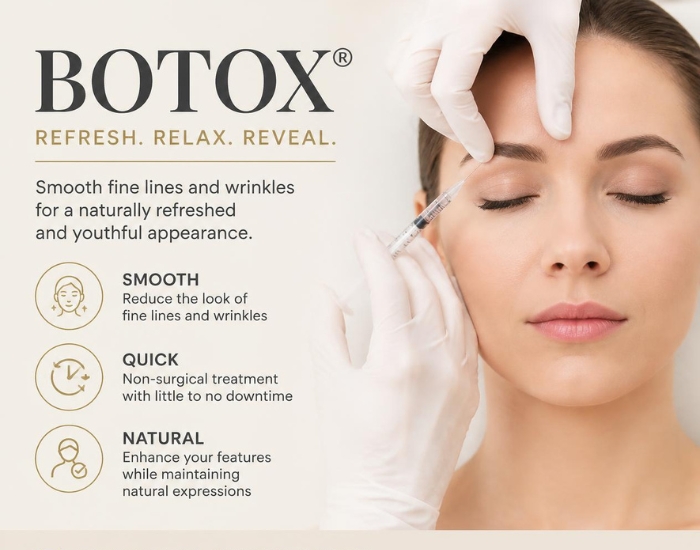
One of the most common questions aesthetic providers hear is, “What is the best age to start Botox?” The answer may surprise you. There isn’t a magic number that works for everyone. While some people begin treatment in their late twenties as a preventative measure, others don’t consider Botox until their forties or fifties when wrinkles become more noticeable. The right time depends less on your birth date and more on your skin, facial movement, genetics, and personal goals.
Social media has made Botox more visible than ever before, but it has also created confusion. Some people believe starting early is always better, while others think Botox should only be used after deep wrinkles appear. In reality, both approaches can be appropriate depending on the individual. A professional evaluation helps determine whether Botox is likely to benefit you now or whether another treatment—or simply a good skincare routine—makes more sense.
If you’ve been researching the best age to start Botox, wondering about preventative Botox, or asking whether you’re too young or too old for treatment, this guide explains what medical providers consider when making personalized recommendations.
Table of Contents
- Is There a Best Age to Start Botox?
- What Is Preventative Botox?
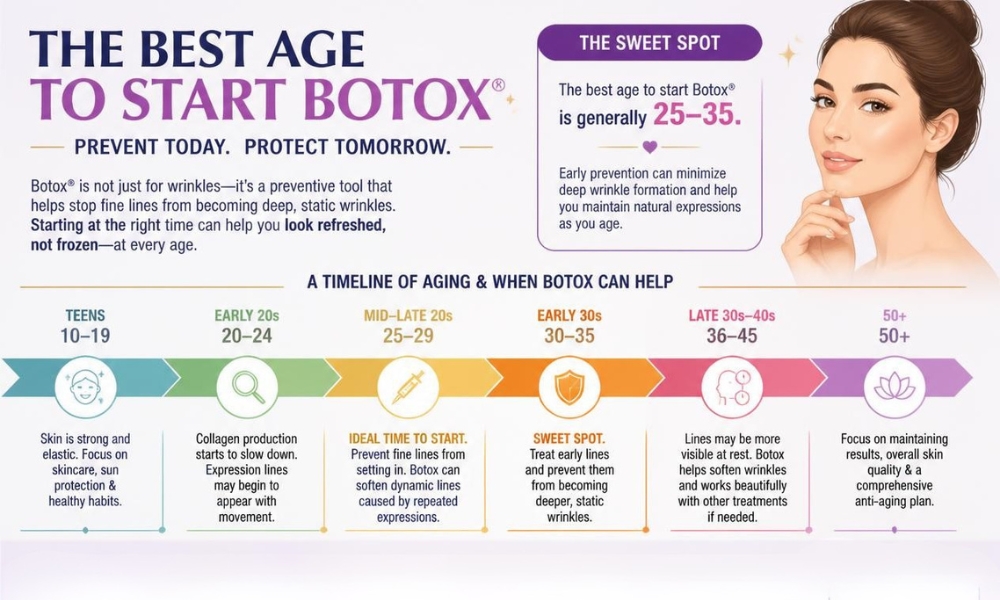
- Starting Botox in Your 20s
- Starting Botox in Your 30s
- Starting Botox in Your 40s and Beyond
- Factors That Matter More Than Age
- Who Is a Good Candidate?
- Why a Professional Consultation Matters
- Botox in Katy, TX
- Frequently Asked Questions
- Medical Disclaimer
Important Note
Choosing when to start Botox is a personal decision—not a race. While early treatment may help soften repetitive facial movements that contribute to wrinkles, not everyone needs preventative injections. Understanding how your skin ages and discussing your concerns with a qualified medical provider can help you make a decision that’s right for you rather than following trends or social media advice.
Is There a Best Age to Start Botox?
Simply put, there is no universally “best” age to start Botox. Instead of focusing on a specific birthday, experienced providers evaluate how your facial muscles move, whether wrinkles appear only during expressions or remain visible at rest, your skin quality, family history of aging, and your long-term aesthetic goals.
Two people of the same age can have completely different skin. One 28-year-old may already have noticeable forehead lines due to genetics and strong facial expressions, while another person in their forties may have very few visible wrinkles because of excellent skin care, consistent sun protection, and different facial anatomy.
This is why age alone should never determine whether Botox is appropriate.
Instead, providers look for signs that repeated muscle movement is beginning to leave lasting marks on the skin. When expression lines linger even after your face relaxes, Botox may help soften those lines and reduce further wrinkle formation.
At Luminous MediSpa’s Neurotoxin Treatments, every patient receives an individualized consultation because facial aging occurs differently for everyone. Treatment recommendations are based on your anatomy and goals—not simply your age.
What Is Preventative Botox?
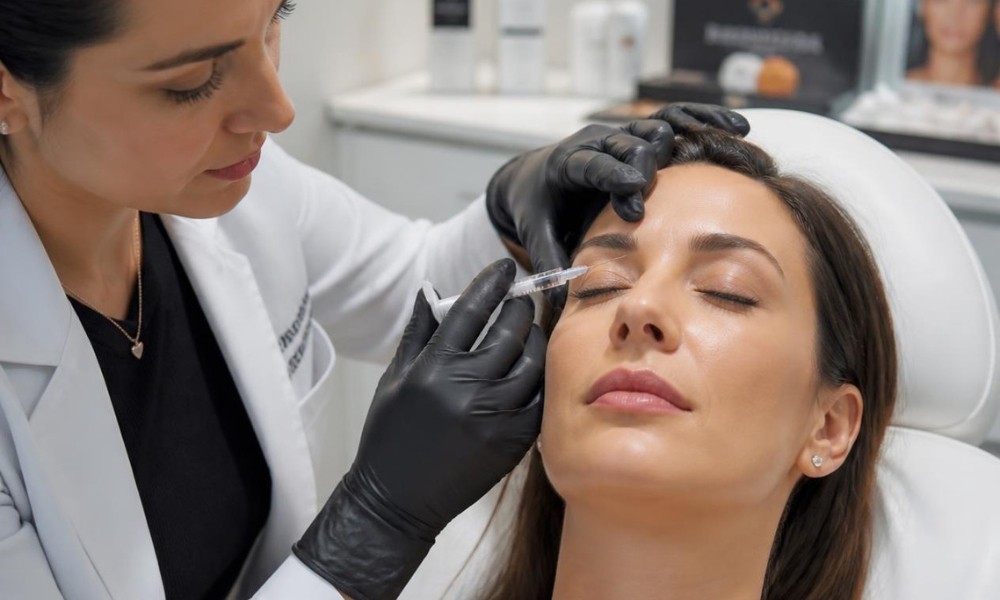
Preventative Botox refers to using Botox before deep wrinkles become permanently etched into the skin. Rather than treating established lines, the goal is to reduce the repetitive muscle movements that contribute to wrinkle formation over time.
Every smile, laugh, frown, or raised eyebrow causes facial muscles to contract. While these expressions are completely natural, years of repeated movement eventually create dynamic wrinkles that can become visible even when your face is completely relaxed.
By temporarily relaxing selected muscles, Botox may reduce the stress placed on the overlying skin. This doesn’t stop the aging process, but it may slow the development of certain expression lines in appropriate candidates.
It’s important to understand that preventative Botox isn’t necessary for everyone. If your skin remains smooth at rest and your facial expressions haven’t begun leaving lasting lines, your provider may recommend waiting or focusing on healthy skincare habits instead.
Good skincare, sunscreen, hydration, and healthy lifestyle choices remain essential whether or not you choose Botox.
Should You Start Botox in Your 20s?
People in their twenties often ask whether they’re “too young” for Botox. In many cases, the answer depends entirely on what they’re trying to accomplish.
Most individuals in their twenties still have excellent collagen production and skin elasticity. Many don’t need Botox at all. However, some people naturally have stronger facial muscles or expressive facial movements that create early forehead lines or frown lines.
For carefully selected patients, small amounts of preventative Botox may help reduce repetitive muscle contractions before deeper wrinkles become established.
That doesn’t mean everyone in their twenties should begin cosmetic injections. Many younger adults are better served by:
- Daily sunscreen use
- Medical-grade skincare products
- Healthy hydration
- Avoiding smoking
- Managing stress
- Professional skin treatments when appropriate
Botox should never be viewed as a replacement for healthy skin habits. Instead, it’s one potential component of a broader long-term skin health strategy.
Botox in Your 30s: A Common Starting Point
For many people, the thirties are when subtle signs of aging become more noticeable. Collagen production gradually slows, skin renewal begins to decrease, and repeated facial expressions may leave fine lines that don’t disappear immediately after your face relaxes.
This is one reason so many first-time Botox patients are in their thirties.
During this decade, treatment often focuses on:
- Forehead lines
- Crow’s feet
- Frown lines between the eyebrows
- Preventing existing fine lines from becoming deeper
Many patients appreciate that Botox can create refreshed, natural-looking results without surgery or lengthy recovery time. Conservative treatment allows facial expressions to remain expressive while softening unwanted wrinkles.
Because every face ages differently, some people in their thirties may still choose to wait, while others benefit from beginning treatment earlier based on muscle activity and visible skin changes.
Important Note
Wrinkles don’t appear overnight, and neither should your treatment decisions. Some fine lines are simply part of natural facial expression, while others may become more noticeable as collagen declines with age. Rather than feeling pressured to start Botox because of social media or current beauty trends, focus on what makes you feel comfortable and confident. A personalized consultation is the best way to determine whether treatment is appropriate now or whether waiting is the better choice.
Starting Botox in Your 40s and Beyond
Beginning Botox in your forties, fifties, or even later is incredibly common. In fact, many people don’t seriously consider cosmetic injectables until they notice changes that skincare products alone can no longer address.
By this stage, facial aging often involves more than dynamic wrinkles. Collagen production has declined, skin elasticity has decreased, facial fat pads may have shifted, and deeper lines can become visible even when your face is completely relaxed.
Botox remains highly effective for softening expression-related wrinkles, but some patients also benefit from complementary treatments that address other aspects of facial aging.
Depending on your concerns, your provider may recommend combining Botox with services such as Dermal Filler Injectables, RF Microneedling, or HydraFacial treatments to improve overall skin quality and restore youthful facial balance.
The goal isn’t to erase every line or dramatically change your appearance. Instead, modern cosmetic treatments focus on helping patients look rested, refreshed, and naturally confident while maintaining their unique facial expressions.
Factors That Matter More Than Your Age
Although people often ask what age they should begin Botox, experienced providers usually ask a different question:
“What does your face need?”
Several factors influence treatment recommendations far more than the number of candles on your birthday cake.
Facial Muscle Activity
Some individuals naturally have stronger facial muscles. They may develop forehead lines or frown lines much earlier simply because their muscles contract more forcefully every day.
Genetics
Your family history plays a significant role in how your skin ages. If your parents developed noticeable wrinkles at a younger age, you may experience similar changes regardless of how carefully you care for your skin.
Sun Exposure
Years of ultraviolet (UV) exposure accelerate collagen breakdown and contribute to premature aging. Daily sunscreen remains one of the most effective ways to protect your skin, whether or not you receive Botox.
Skin Care Routine
Consistent skincare—including cleansing, moisturizing, antioxidants, retinoids when appropriate, and broad-spectrum sunscreen—often delays visible signs of aging and supports healthier skin over time.
Lifestyle Habits
Smoking, chronic stress, inadequate sleep, dehydration, and poor nutrition can all influence how quickly your skin ages. Addressing these factors often improves skin health alongside cosmetic treatments.
Your Personal Goals
Some patients simply want to soften one or two expression lines. Others are interested in long-term wrinkle prevention. Understanding your expectations helps your provider recommend the most appropriate treatment plan.
Who Is a Good Candidate for Botox?
Rather than asking, “Am I old enough?” or “Am I too old?” it’s often more helpful to ask whether you’re a good candidate for treatment.
Many people may benefit from Botox if they:
- Notice wrinkles appearing during facial expressions.
- See fine lines beginning to remain visible at rest.
- Want to reduce forehead lines or crow’s feet.
- Are interested in preventative wrinkle management.
- Prefer non-surgical facial rejuvenation.
- Have realistic expectations about treatment.
- Are in good overall health.
Botox may not be appropriate for everyone. Certain medical conditions, allergies, pregnancy, breastfeeding, or other individual circumstances may affect whether treatment is recommended. This is one reason a professional consultation is always important before beginning cosmetic injectables.
Why a Professional Consultation Is So Important
Every face tells a different story. During your consultation, your provider doesn’t simply count wrinkles—they evaluate how your muscles move, how your skin responds to facial expressions, and what concerns matter most to you.
A comprehensive consultation may include:
- Reviewing your medical history.
- Discussing previous cosmetic treatments.
- Evaluating facial symmetry.
- Assessing muscle strength.
- Examining skin quality.
- Learning about your aesthetic goals.
This individualized assessment helps determine whether Botox is appropriate or whether another treatment may better address your concerns.
For example, if volume loss—not muscle movement—is your primary concern, dermal fillers may be more suitable. If skin texture is your biggest issue, treatments like Microneedling with PRP or professional medical-grade skincare products may also be recommended as part of a comprehensive rejuvenation plan.
Personalized care leads to more natural-looking results than simply following trends or requesting the same treatment someone else received.
Choosing Botox in Katy, TX
If you’re searching online for Botox Katy, Botox Near Me, Best Botox Katy, or Anti-Aging Treatments Katy, selecting an experienced medical provider is just as important as deciding when to begin treatment.
At Luminous MediSpa, every Botox consultation is tailored to the individual. Rather than recommending injections based solely on age, the team evaluates facial anatomy, muscle movement, skin quality, lifestyle factors, and your personal goals to create a treatment plan that complements your natural features.
Whether you’re interested in preventative Botox in your twenties, treating early expression lines in your thirties, or combining Botox with other facial rejuvenation treatments later in life, personalized care helps ensure balanced, natural-looking results.
Patients from Katy, Fulshear, Cinco Ranch, Brookshire, West Houston, and surrounding communities trust Luminous MediSpa for comprehensive aesthetic care provided in a professional medical environment.
Final Thoughts
The best age to start Botox isn’t determined by a number—it’s determined by your skin, facial anatomy, muscle activity, and personal goals. Some individuals may benefit from preventative Botox in their late twenties or early thirties, while others won’t need treatment until much later. Neither approach is right or wrong.
What’s most important is making an informed decision based on professional guidance rather than social media trends or unrealistic beauty standards. Botox works best when it’s part of a personalized treatment plan designed specifically for you.
Healthy skincare habits, sun protection, hydration, and regular skin maintenance remain essential regardless of whether you decide to begin Botox now or in the future. Cosmetic injectables should complement your skin health—not replace it.
If you’re wondering whether now is the right time to start Botox, scheduling a consultation with an experienced provider can help you better understand your options and develop a plan that aligns with your long-term aesthetic goals.
Wondering If It’s the Right Time to Start Botox?
The experienced team at Luminous MediSpa can evaluate your facial anatomy, discuss your concerns, and recommend whether Botox, another treatment, or simply continued skincare is the best approach for your goals.
Every consultation is personalized because every face ages differently. Our focus is helping you achieve refreshed, natural-looking results that enhance—not change—your appearance.
Schedule your consultation today to learn if Botox is right for you.
Frequently Asked Questions
What is the best age to start Botox?
There isn’t a single “best” age. Many people begin Botox in their late twenties or thirties as expression lines become more noticeable, while others don’t start until their forties or later. The decision depends on your skin, facial muscle activity, genetics, and personal goals.
Is 25 too young for Botox?
Not necessarily. Some individuals with strong facial expressions or early dynamic wrinkles may be candidates for preventative Botox, while many others in their twenties do not need treatment. A consultation with a qualified provider can help determine what’s appropriate for you.
Can preventative Botox stop wrinkles completely?
No. Preventative Botox may help reduce repetitive muscle movements that contribute to certain expression lines, but it does not stop the natural aging process. Healthy skincare and sun protection remain important parts of wrinkle prevention.
Is there an age when Botox is too late?
Not at all. Many patients begin Botox in their forties, fifties, or beyond and still achieve noticeable improvement in dynamic wrinkles. Treatment recommendations depend on your individual concerns rather than your age.
How often will I need Botox?
Most patients schedule maintenance treatments every three to four months, although timing varies depending on how quickly your body metabolizes the product and your treatment goals.
Will starting Botox early make me dependent on it?
No. Botox is a temporary treatment. If you choose to stop receiving injections, your muscles gradually return to their normal activity, and your appearance simply continues to age naturally.
Can Botox be combined with other treatments?
Yes. Botox is often combined with dermal fillers, HydraFacial, RF microneedling, chemical peels, or medical-grade skincare to address multiple aspects of facial aging and skin health.
How do I know if I’m ready for Botox?
If you’re beginning to notice expression lines that remain visible after your face relaxes or you’re interested in preventative wrinkle management, a professional consultation can help determine whether Botox is the right option for you.
Medical Disclaimer
This article is intended for educational and informational purposes only and should not be considered medical advice or a substitute for consultation with a qualified healthcare professional. Botox recommendations vary based on individual anatomy, medical history, skin condition, and aesthetic goals. Always consult a licensed medical provider before receiving cosmetic injectable treatments.