
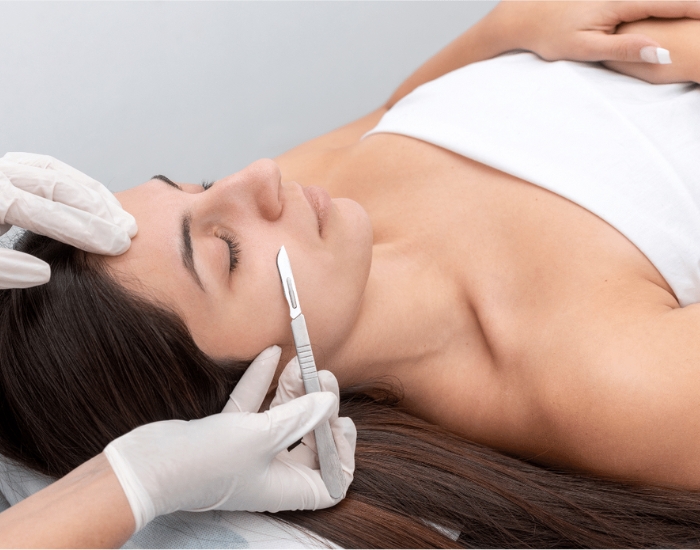
Healthy, glowing skin is a goal for many, but dead skin cells, peach fuzz, and environmental buildup can leave the complexion looking dull or uneven. Dermaplaning, a non-invasive exfoliation technique, has emerged as a popular way to achieve smoother, brighter skin without harsh chemicals or downtime. Using a sterile surgical scalpel, a trained professional carefully removes dead skin and fine facial hair, revealing fresh, radiant skin underneath. This blog explores how dermaplaning works, its key benefits, and why it is an effective treatment for improving skin texture and tone.
Table of Contents
- What Is Dermaplaning and How It Works
- Why Exfoliation Is Important for Skin Health
- How Dermaplaning Transforms Your Skin
- Ideal Areas and Skin Types for Dermaplaning
- How Often Should Dermaplaning Be Performed?
- Who Is a Good Candidate for Dermaplaning
- Final Thoughts
1. What Is Dermaplaning and How It Works
Dermaplaning is a gentle, manual exfoliation technique. A trained esthetician uses a sterile, surgical-grade scalpel to carefully remove the outer layer of dead skin cells and fine facial hair, often called peach fuzz. This process smooths the skin, giving it a fresh, polished look. It also helps your skincare products absorb better and can make other treatments, like facials or chemical peels, more effective.
Unlike harsher exfoliation methods, dermaplaning is precise and controlled, which lowers the chance of irritation. The results are immediate, and your skin looks brighter and more luminous right after the treatment. You can even combine it with other aesthetic treatments for an extra boost in skin glow.
2. Why Exfoliation Is Important for Skin Health
Exfoliation is important for keeping your skin healthy and radiant. Dead skin cells naturally build up on the surface, which can make the skin look dull, clog pores, and create uneven texture. Fine facial hair can also trap oil and dirt, which may lead to breakouts or irritation. By removing these layers, dermaplaning encourages fresh skin cells to surface. This makes your complexion smoother and helps your skincare products, like moisturizers, serums, and sunscreens, work better. That’s why dermaplaning is often recommended as part of a regular skincare routine to maintain soft, bright, and healthy-looking skin.
3. How Dermaplaning Transforms Your Skin
Instantly Smoother Skin
One of the most immediate benefits of dermaplaning is the smooth texture it creates. By removing dead skin and fine facial hair, the skin feels softer and looks more polished. Makeup application is also improved, as foundation and powders glide on evenly without clinging to peach fuzz.
Brighter and More Radiant Complexion
Dermaplaning exposes the fresh layer of skin beneath the surface, enhancing natural radiance. This can make the complexion appear brighter and more even, helping to diminish the appearance of minor discoloration or dullness.
Enhanced Skincare Absorption
After dermaplaning, the skin is better able to absorb active ingredients in serums, moisturizers, and treatments. This can amplify the effectiveness of skincare routines, from hydration to anti-aging products.
Gentle and Non-Invasive
Dermaplaning is minimally invasive and generally safe for most skin types. Unlike chemical peels or abrasive exfoliation tools, it does not involve harsh chemicals or aggressive friction, making it a suitable option for individuals with sensitive skin.
Reduces Fine Facial Hair
By removing vellus hair, dermaplaning helps create a cleaner, smoother canvas for the face. While hair grows back, the removal process leaves the skin soft and polished until the next treatment.
Prepares Skin for Other Treatments
Dermaplaning can be combined with facials, chemical peels, or laser treatments. Removing the outer layer of dead cells allows these procedures to penetrate more effectively, enhancing their results.
4. Ideal Areas and Skin Types for Dermaplaning
Dermaplaning works on most areas of the face, including the cheeks, forehead, chin, and jawline. It is especially effective for people with dry, dull, or uneven-textured skin who want a smoother, brighter complexion. However, it may not be suitable for individuals with active acne, severe rosacea, or other skin conditions that could worsen with the treatment. That’s why a professional consultation is important. A licensed esthetician can check your skin and make sure dermaplaning is safe and right for you.
5. How Often Should Dermaplaning Be Performed?
For the best results, dermaplaning is usually done every three to four weeks. This schedule matches the natural skin cell turnover cycle, helping to maintain smooth and radiant skin while reducing the chance of irritation. With regular treatments, you can see noticeable improvements in texture, brightness, and overall skin appearance over time.
6. Who Is a Good Candidate for Dermaplaning
Dermaplaning is ideal for adults who want smoother skin, less fine facial hair, and a more radiant complexion. It works well for people preparing for special events, applying makeup, or combining with other cosmetic treatments. Even those with sensitive or uneven-textured skin often benefit from its gentle exfoliation. A consultation with a licensed esthetician or medical professional is the best way to confirm that dermaplaning fits your skin type and your goals.
7. Final Thoughts
Dermaplaning is a safe, effective, and non-invasive treatment for achieving smoother, brighter skin. By removing dead skin cells and fine facial hair, it improves skin texture, enhances radiance, and boosts the effectiveness of other skincare products. Whether used alone or as part of a comprehensive facial regimen, dermaplaning offers immediate and visible benefits for a polished, refreshed complexion.
If you’re looking to achieve smoother, more radiant skin, schedule a dermaplaning facial consultation with Luminous MediSpa. Our skilled professionals will assess your skin and create a customized treatment plan to reveal your brightest, most refreshed complexion.
Disclaimer: This blog is intended for informational purposes only and does not replace professional medical advice. Results from dermaplaning treatments may vary. Always consult a licensed esthetician or healthcare provider before starting any new skincare procedure.