

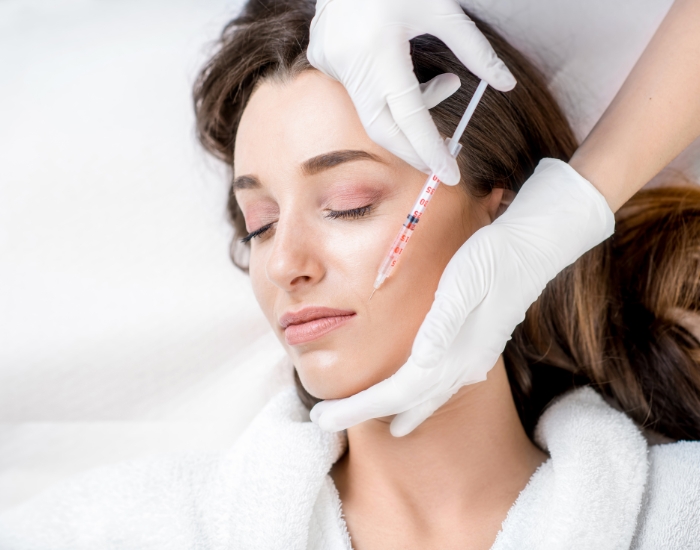
One of the first questions people ask before getting Botox is, “How long will it actually last?” It’s a reasonable question because Botox isn’t a permanent treatment. Whether you’re considering your first appointment or have had injections before, understanding how long results typically last—and what influences them—can help you set realistic expectations and plan future treatments.
While many people expect a simple answer, the reality is a little more nuanced. Botox longevity depends on several factors, including the treatment area, your metabolism, muscle strength, lifestyle habits, dosage, and even how consistently you’ve received treatments in the past. Some people notice results lasting longer than expected, while others find they metabolize the product more quickly.
If you’ve been searching for answers about how long does Botox last, Botox results, or wondering whether regular treatments are worth it, this guide explains everything you need to know—from the science behind Botox to practical aftercare tips that may help you enjoy your results for as long as possible.
Table of Contents
- How Long Does Botox Last?
- How Botox Works
- Botox Results Timeline
- What Affects Botox Longevity?
- Botox Aftercare Tips
- Do Some Areas Last Longer?
- When Should You Schedule Your Next Appointment?
- Common Botox Myths
- Why Professional Treatment Matters
- Botox Treatments in Katy, TX
- Frequently Asked Questions
- Medical Disclaimer
Important Note
It’s normal to feel excited after Botox treatment and want immediate results, but patience is important. Botox doesn’t work overnight, and every person responds a little differently. Understanding the typical timeline and knowing what to expect can help reduce unnecessary worry while ensuring you recognize when it’s appropriate to follow up with your provider.
How Long Does Botox Last?
For most people, Botox results typically last between three and four months. However, this is an average—not a guarantee. Some patients begin noticing muscle movement returning slightly earlier, while others continue enjoying smoother skin for several months beyond that timeframe.
Botox works by temporarily interrupting communication between nerves and specific facial muscles. As the body naturally restores those nerve signals over time, muscle movement gradually returns, and wrinkles slowly become more visible again.
The key word is gradually. Botox doesn’t suddenly stop working one day. Instead, you’ll usually notice small facial movements returning little by little before expression lines become more apparent.
Many patients who receive regular maintenance treatments notice their muscles become “trained” over time. Because the targeted muscles have spent months contracting less forcefully, some people feel their results appear to last slightly longer after multiple treatment sessions.
It’s important to understand that longevity varies considerably from one individual to another. Factors like age, facial anatomy, metabolism, physical activity, and even stress levels may influence how long your results remain noticeable.
How Botox Works
To understand why Botox lasts only temporarily, it helps to know what happens beneath the skin.
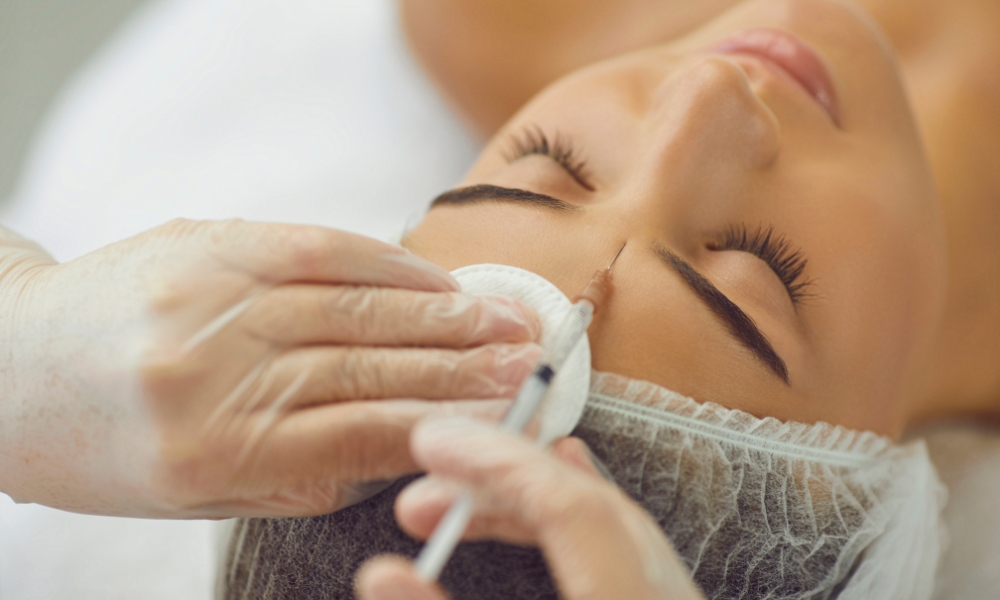
Every facial expression—smiling, frowning, squinting, or raising your eyebrows—depends on muscles receiving signals from nearby nerves. Botox temporarily blocks those signals in carefully selected muscles. Without constant muscle contractions, the skin above those muscles has a chance to smooth out, reducing the appearance of dynamic wrinkles.
Because Botox doesn’t permanently change the muscles or nerves, the body gradually creates new nerve connections over time. Once that happens, muscle activity slowly resumes, and facial movement returns naturally.
This temporary effect is actually one of Botox’s biggest advantages. Since results are not permanent, your provider can adjust future treatments based on changes in your facial anatomy, aging process, and aesthetic goals.
At Luminous MediSpa’s Neurotoxin treatments, personalized treatment plans are designed around each patient’s facial movement rather than following identical injection patterns for everyone.
Botox Results Timeline: What to Expect
One of the biggest misconceptions about Botox is that you’ll walk out of your appointment with immediately smoother skin. While dermal fillers often provide instant volume, Botox develops gradually.
Day 1
Immediately after treatment, you probably won’t notice much difference. Mild redness or tiny injection marks may be visible for a short time, but these typically improve quickly.
Days 2–4
Some patients begin noticing subtle changes in muscle movement during this period. Expressions may start feeling slightly different as Botox begins taking effect.
Days 5–10
This is when most people see visible improvement. Forehead lines, crow’s feet, and frown lines usually begin appearing softer as treated muscles relax.
Around Two Weeks
Most providers consider approximately two weeks to represent the full effect of Botox treatment. This is often when follow-up appointments are scheduled if any small adjustments are needed.
Months Two and Three
For many patients, this period represents the peak of their Botox results. Facial expressions remain natural while wrinkles stay noticeably softer.
Months Three and Four
Gradually, muscle movement begins returning. This doesn’t happen overnight. Instead, you’ll likely notice small expressions becoming stronger before wrinkles slowly reappear.
Understanding this timeline helps patients avoid worrying if they don’t see immediate improvement or if results begin fading gradually several months later.
What Affects Botox Longevity?
Although Botox generally lasts several months, no two patients experience identical timelines. Multiple factors influence how long your results remain visible.
Your Metabolism
People with faster metabolisms often process Botox more quickly. Athletes and highly active individuals sometimes notice their results fading sooner than average, although experiences vary.
Muscle Strength
Individuals with naturally stronger facial muscles—particularly around the forehead or between the eyebrows—may require different treatment approaches than someone with weaker muscle activity.
Treatment Area
Some facial muscles move constantly throughout the day, while others remain relatively inactive. Areas with frequent movement may experience a slightly shorter duration of results.
Dosage
Using an appropriate amount of Botox is essential. Too little product may wear off sooner, while proper dosing based on facial anatomy helps create more predictable longevity.
Consistency of Treatments
Patients who maintain regular treatment schedules often notice smoother muscle activity over time. Although Botox doesn’t become permanent, consistent maintenance can help prevent deep expression lines from becoming more pronounced.
Lifestyle Habits
Sun exposure, smoking, chronic stress, inadequate sleep, dehydration, and poor skincare habits all contribute to premature skin aging. While these factors don’t directly eliminate Botox, they can influence how youthful your skin appears overall.
Important Note
Seeing small changes in your facial movement several months after Botox doesn’t necessarily mean something has gone wrong. The treatment is designed to wear off gradually as your muscles regain normal activity. If you’re unsure whether your results are fading normally or have concerns about your outcome, it’s always best to speak with your provider rather than relying on social media advice or online forums.
Botox Aftercare Tips to Help Maintain Your Results
Although Botox naturally wears off over time, following your provider’s aftercare instructions can help ensure the product settles properly and gives you the best possible results. Aftercare won’t permanently extend Botox longevity, but it can reduce the chance of unwanted complications and help optimize your outcome.
Immediately after your appointment, your provider may recommend several temporary precautions based on the treatment areas and your individual needs.
Stay Upright for Several Hours
Remaining upright for the first few hours after treatment helps reduce the chance of Botox migrating to unintended muscles. While this complication is uncommon when proper techniques are used, following your provider’s guidance is still important.
Avoid Touching or Massaging the Area
It’s tempting to check the treated area repeatedly, especially if it’s your first Botox appointment. However, rubbing or applying excessive pressure immediately after treatment may interfere with proper product placement.
Postpone Intense Exercise
Heavy workouts, hot yoga, and strenuous physical activity are generally postponed for the remainder of the day or as directed by your provider. Increased blood flow immediately after injections may affect how the product settles.
Limit Heat Exposure
Hot tubs, steam rooms, saunas, and prolonged sun exposure are usually avoided shortly after treatment. Excessive heat can increase temporary swelling or redness around the injection sites.
Follow Your Personalized Instructions
Every patient is different. Your provider may give recommendations based on the areas treated, your medical history, or previous Botox experience. Following those individualized instructions is one of the simplest ways to help ensure a smooth recovery.
Patients at Luminous MediSpa receive detailed aftercare guidance before leaving their appointment so they know exactly what to expect during the recovery process.

Do Some Botox Treatment Areas Last Longer Than Others?
Yes. Different facial muscles work at different intensities throughout the day, which means Botox may last slightly longer in some areas than others.
For example, forehead muscles are constantly active whenever you raise your eyebrows, while other facial muscles may contract less frequently. Individual anatomy also plays an important role, making it impossible to predict an identical timeline for every patient.
| Treatment Area | Typical Longevity | Comments |
|---|---|---|
| Forehead Lines | Around 3–4 months | May vary based on muscle strength and facial movement. |
| Frown Lines | Around 3–4 months | Often one of the most responsive treatment areas. |
| Crow’s Feet | Approximately 3 months | Frequent smiling and squinting may influence longevity. |
| Jawline or Masseter | May last several months | Results depend on muscle size and treatment goals. |
These timelines are general estimates rather than guarantees. Your provider can explain what is most likely based on your facial anatomy and treatment plan.
When Should You Schedule Your Next Botox Appointment?
A common mistake is waiting until every bit of Botox has completely worn off before scheduling another appointment. While there isn’t a universal timeline, many patients benefit from planning maintenance visits before wrinkles fully return.
You’ll often know it’s time to check in with your provider when:
- Your forehead begins moving more than usual.
- Frown lines become increasingly visible.
- Crow’s feet reappear during smiling.
- You notice your previous results gradually fading.
Rather than booking appointments only after wrinkles have fully returned, many people choose a consistent maintenance schedule throughout the year.
Regular follow-up visits also allow your provider to evaluate your results, make dosage adjustments if needed, and ensure your treatment continues to look balanced and natural.
Common Myths About Botox Longevity
Myth: Botox Stops Working Forever After a Few Treatments
This is a common misconception. Most people continue responding well to Botox for many years when treatments are performed appropriately.
Myth: More Botox Always Lasts Longer
Not necessarily. The appropriate dose depends on your facial muscles, anatomy, and treatment goals—not simply using larger amounts of product.
Myth: Botox Works Immediately
Botox requires time to affect nerve signals. Most patients begin seeing improvement over several days, with full results typically developing around two weeks.
Myth: Once Botox Wears Off, Your Wrinkles Become Worse
No. When Botox gradually wears off, your muscles simply regain their normal activity. Your appearance generally returns to its natural baseline rather than becoming worse because of treatment.
Myth: Everyone Gets the Same Results
Every face ages differently. Genetics, lifestyle, muscle activity, skin quality, and treatment history all influence both results and longevity.
Why Professional Treatment Matters
Botox is as much about precision as it is about the product itself. Even the highest-quality neurotoxin depends on proper patient selection, individualized dosing, and detailed knowledge of facial anatomy.
During a consultation, your provider evaluates:
- Your facial expressions at rest and during movement.
- Muscle strength and symmetry.
- Previous cosmetic treatments.
- Your medical history.
- Your desired aesthetic outcome.
This assessment helps create a personalized treatment plan instead of relying on standardized injection patterns. The goal is to soften unwanted lines while preserving natural facial expressions and avoiding an overtreated appearance.
Some patients may also benefit from combining Botox with complementary services such as Dermal Filler Injectables, HydraFacial, RF Microneedling, or professional medical-grade skincare products to address skin quality alongside dynamic wrinkles.
Botox Treatments in Katy, TX
If you’ve been searching for Botox Houston, Botox Near Me, Botox Katy TX, or the Best Med Spa Katy, choosing an experienced medical provider is just as important as choosing the treatment itself.
At Luminous MediSpa, every Botox consultation begins with a detailed facial assessment rather than a one-size-fits-all approach. Your provider carefully evaluates your facial anatomy, muscle movement, skin quality, previous cosmetic treatments, and personal goals before recommending an individualized treatment plan.
Whether your goal is to soften forehead lines, reduce crow’s feet, minimize frown lines, or begin preventative Botox treatments, the focus is always on achieving balanced, natural-looking results that complement your unique facial features.
Many patients from Katy, Fulshear, Cinco Ranch, Brookshire, West Houston, and nearby communities choose Luminous MediSpa because they value personalized care, experienced medical oversight, and treatment plans designed specifically for them.
Understanding how long Botox lasts is only one part of the process. Equally important is selecting a qualified provider who can recommend the right dosage, proper injection locations, and an appropriate maintenance schedule based on your individual needs rather than following generalized treatment patterns.
Final Thoughts
Botox has remained one of the most popular non-surgical cosmetic treatments because it offers a reliable way to soften dynamic wrinkles without surgery or lengthy recovery time. Although results are temporary, many patients appreciate the flexibility this provides, allowing treatments to evolve naturally as their facial features and aesthetic goals change over time.
For most individuals, Botox results last around three to four months, but there is no universal timeline. Factors such as metabolism, facial muscle activity, treatment area, lifestyle habits, and provider technique all contribute to how long your results remain noticeable.
Maintaining realistic expectations is equally important. Botox doesn’t stop the aging process, nor is it intended to dramatically change your appearance. Instead, it works best as part of a personalized facial rejuvenation plan focused on helping you look refreshed while preserving your natural expressions.
If you’re considering Botox for the first time or wondering whether it’s time for your next treatment, scheduling a professional consultation can provide personalized recommendations based on your unique facial anatomy and cosmetic goals.
Ready to Maintain Smooth, Natural-Looking Results?
Whether you’re exploring Botox for the first time or planning your next maintenance treatment, the experienced team at Luminous MediSpa is here to help you make informed decisions about your care.
We’ll evaluate your facial anatomy, discuss your goals, answer your questions about Botox longevity and aftercare, and create a personalized treatment plan designed to deliver balanced, natural-looking results.
Schedule your consultation today to learn whether Botox is the right option for your aesthetic goals.
Frequently Asked Questions
How long does Botox usually last?
For most people, Botox results typically last between three and four months. However, the exact duration varies depending on factors such as metabolism, treatment area, muscle strength, dosage, and individual response.
Can Botox last six months?
Some individuals may experience longer-lasting results, particularly after consistent treatments or in certain treatment areas. However, six months is not the average duration for most patients.
Why did my Botox wear off faster than expected?
Several factors can influence Botox longevity, including a fast metabolism, strong facial muscles, frequent physical activity, individual biology, and treatment technique. Your provider can evaluate whether adjustments may improve future results.
How soon can I exercise after Botox?
Most providers recommend avoiding strenuous exercise for the remainder of the day after treatment. Always follow your provider’s specific aftercare instructions, as recommendations may vary based on your treatment plan.
Can I make Botox last longer?
Although no method can permanently extend Botox results, following aftercare instructions, maintaining regular treatment schedules, protecting your skin from excessive sun exposure, and practicing healthy skincare habits may help support consistent outcomes.
Is it safe to get Botox regularly?
For many healthy adults, regular Botox treatments performed by qualified medical professionals are considered safe when appropriate dosing and proper injection techniques are used. Your provider will determine a treatment schedule based on your individual needs and medical history.
When should I schedule my next Botox appointment?
Many patients schedule maintenance visits before their previous treatment has completely worn off. Your provider can recommend a timeline based on how your muscles respond, your treatment goals, and the areas treated.
Can Botox prevent wrinkles from getting worse?
Botox may help reduce repeated muscle movements that contribute to dynamic wrinkles. Many people choose maintenance treatments as part of a long-term facial rejuvenation strategy, although results vary by individual.
Medical Disclaimer
This article is provided for educational and informational purposes only and should not be considered medical advice or a substitute for an evaluation by a qualified healthcare professional. Botox results, longevity, and treatment recommendations vary based on each individual’s anatomy, health history, and cosmetic goals. Always consult a licensed medical provider before receiving cosmetic injectable treatments.