
Smooth, glowing skin is a sign of health and vitality, but everyday stress, sun exposure, and natural aging can leave the skin looking dull or uneven. Microdermabrasion is a non-invasive treatment that gently resurfaces the skin, removing dead cells and promoting renewal. Unlike chemical peels or harsh exfoliants, microdermabrasion uses a fine crystal or diamond tip to polish the skin, improving its texture and revealing a brighter, more even complexion. This blog explains how microdermabrasion works, the benefits it offers, and why it is a popular choice for anyone seeking healthy, radiant skin.
Table of Contents
- What Is Microdermabrasion and How It Works
- Why Skin Texture and Tone Can Change Over Time
- Key Benefits of Microdermabrasion
- Best Areas and Skin Types for Microdermabrasion
- How Often Should You Get Microdermabrasion?
- Who Is a Good Candidate for This Treatment
- Final Thoughts
1. What Is Microdermabrasion and How It Works
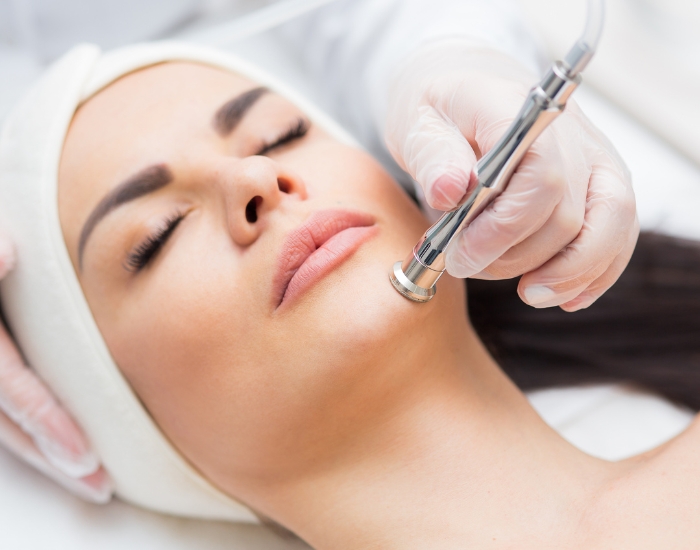
Microdermabrasion is a skin resurfacing treatment that gently exfoliates the outermost layer of the skin. A trained esthetician uses a handheld device that sprays fine crystals or uses a diamond-tipped wand to remove dead skin cells. At the same time, a vacuum gently suctions away debris, stimulating circulation and encouraging new cell growth.This process helps smooth rough patches, reduce minor imperfections, and create a more even surface. The treatment is precise, controlled, and painless for most people. Unlike chemical peels, microdermabrasion does not involve strong acids, making it suitable for sensitive skin and minimizing downtime.
2. Why Skin Texture and Tone Can Change Over Time
Skin naturally changes with age and exposure to environmental factors. Sun damage, pollution, stress, and lifestyle habits can cause rough texture, uneven tone, enlarged pores, and dullness. Dead skin cells accumulate on the surface, making skin appear tired and less vibrant. Microdermabrasion addresses these changes by removing dead cells, encouraging healthy cell turnover, and revealing fresh, glowing skin underneath. Regular exfoliation helps maintain smooth texture, even tone, and an overall radiant appearance.
3. How Microdermabrasion Transforms Your Skin
Smooth and Refined Skin
Microdermabrasion gently removes dead skin cells and rough patches, leaving the skin soft and polished. Fine lines and minor imperfections fade, and the surface feels noticeably smoother.
Brighter, More Radiant Complexion
By uncovering fresh skin underneath, this treatment instantly enhances natural glow. Dull or tired-looking skin appears brighter and more even in tone.
Minimizes Minor Blemishes
Microdermabrasion can reduce the appearance of minor scars, uneven pigmentation, and small textural irregularities. While it doesn’t treat deep scars or major discoloration, it helps create a more uniform and refreshed look.
Boosts Skincare Effectiveness
Exfoliated skin absorbs moisturizers, serums, and sunscreens better. This means your daily skincare products work harder and deliver more noticeable results.
Encourages Circulation and Collagen Health
The gentle suction stimulates blood flow in the treated area, supporting healthy skin function. It also helps encourage collagen production over time, which improves elasticity and keeps the skin looking youthful.
Quick and Convenient
Sessions are typically 30–45 minutes, and most people return to daily activities immediately. This makes microdermabrasion an easy, non-invasive way to refresh your skin without downtime.
4. Best Areas and Skin Types for Microdermabrasion
Microdermabrasion works well on most areas of the face, including the cheeks, forehead, chin, nose, and jawline. It is suitable for most skin types, especially those with dull, uneven, or rough-textured skin. However, people with active acne, severe rosacea, eczema, or other inflamed skin conditions may need to avoid microdermabrasion, as it could worsen irritation. A professional consultation is important to assess suitability and ensure the best results.
5. How Often Should You Get Microdermabrasion?
For noticeable and lasting results, microdermabrasion is typically recommended every two to four weeks. This allows time for the skin to renew naturally between treatments. Regular sessions help maintain smooth texture, brighten the complexion, and improve the skin’s overall tone over time.
6. Who Is a Good Candidate for Microdermabrasion
Microdermabrasion is ideal for adults seeking smoother, brighter, and more even skin. It is a great option for those with minor texture irregularities, dullness, or early signs of aging. People preparing for special events, or wanting to enhance the results of other facial treatments, also benefit from this gentle procedure. A consultation with a licensed esthetician or medical professional ensures that microdermabrasion is appropriate for your skin type and goals.
7. Final Thoughts
Microdermabrasion is a safe and effective way to improve skin texture, brighten the complexion, and support healthy skin function. Its gentle, non-invasive approach makes it suitable for many skin types while delivering immediate and noticeable results. Combined with a consistent skincare routine, microdermabrasion can help maintain smooth, glowing, and radiant skin over time.
If you want to reveal smoother, brighter skin with a microdermabrasion treatment, schedule a consultation with Luminous MediSpa. Our skilled professionals can create a customized plan to help you achieve the healthy, radiant skin you desire.
Disclaimer: This content is for informational purposes only and does not replace professional medical advice. Results from microdermabrasion may vary by individual. Always consult a licensed esthetician or healthcare provider before starting any new skincare treatment.